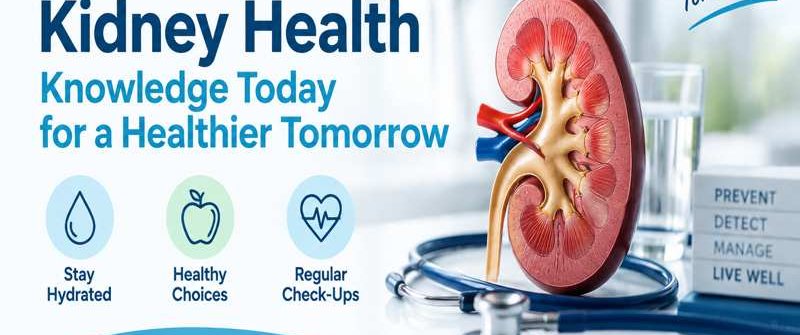
Understanding Kidney Stones
Kidney stones are hard deposits made from minerals and salts that form inside the kidneys. They can vary in size, and while some small stones may pass without causing serious problems, larger stones can lead to significant pain and urinary complications.
Many people associate kidney stones only with temporary discomfort, but recurring kidney stones may be a sign that further evaluation is needed to understand the underlying cause and protect long-term kidney health.
At Blanchard Nephrology, we help patients understand their kidney health, identify risk factors and receive appropriate care for kidney-related conditions.
What Causes Kidney Stones?
Kidney stones develop when certain substances in the urine become highly concentrated and begin to form crystals. Over time, these crystals can grow into stones.
Several factors may increase the risk of developing kidney stones, including:
- Not Drinking Enough Fluids
When the body does not have enough fluids, urine becomes more concentrated. This can make it easier for minerals to collect and form stones.
- Diet and Sodium Intake
High sodium intake may increase the amount of calcium in the urine, which can contribute to stone formation in some people.
Maintaining a balanced diet and following recommended nutrition guidance can help support kidney health.
- Family History
Some people have a higher risk of developing kidney stones because of genetic factors.
- Certain Medical Conditions
Some health conditions can affect how the body processes minerals, increasing the chance of kidney stone formation.
Common Symptoms of Kidney Stones
Symptoms can vary depending on the size and location of the stone. Common signs include:
- Severe pain in the side, back or lower abdomen
- Pain that comes and goes in waves
- Pain or discomfort while urinating
- Blood in the urine
- Nausea or vomiting
- Increased urgency to urinate
If a kidney stone blocks urine flow, it can lead to complications that require medical attention.
Can Kidney Stones Be Prevented?
While not every kidney stone can be prevented, healthy habits can help reduce risk.
Stay Hydrated
Drinking enough fluids helps keep urine diluted and may reduce the chance of minerals forming crystals.
Maintain a Kidney-Friendly Diet
Balanced nutrition, appropriate sodium intake, and following dietary recommendations from your healthcare provider can support kidney health.
Understand Your Risk Factors
If you have experienced kidney stones before, your healthcare provider may recommend additional evaluation to understand why they occurred and how to prevent future episodes.
When Should You See a Kidney Specialist?
You should consider speaking with a kidney specialist if you:
- Have recurring kidney stones
- Have concerns about your kidney function
- Experience symptoms that may indicate complications
- Need guidance on preventing future stones
A nephrologist can evaluate your kidney health, review your medical history and provide personalized recommendations based on your needs.
Expert Kidney Care in Findlay, Ohio
At Blanchard Nephrology, we provide comprehensive kidney care focused on helping patients manage kidney conditions, understand their health and protect their kidneys for the future.
Whether you are seeking evaluation for kidney stones, chronic kidney disease, hypertension-related kidney concerns or ongoing kidney care, our team is here to support you.
Schedule your kidney care appointment today.
📍 Blanchard Nephrology
655 Fox Run Rd, Suite C
Findlay, OH 45840
📞 567-525-3163