Introduction
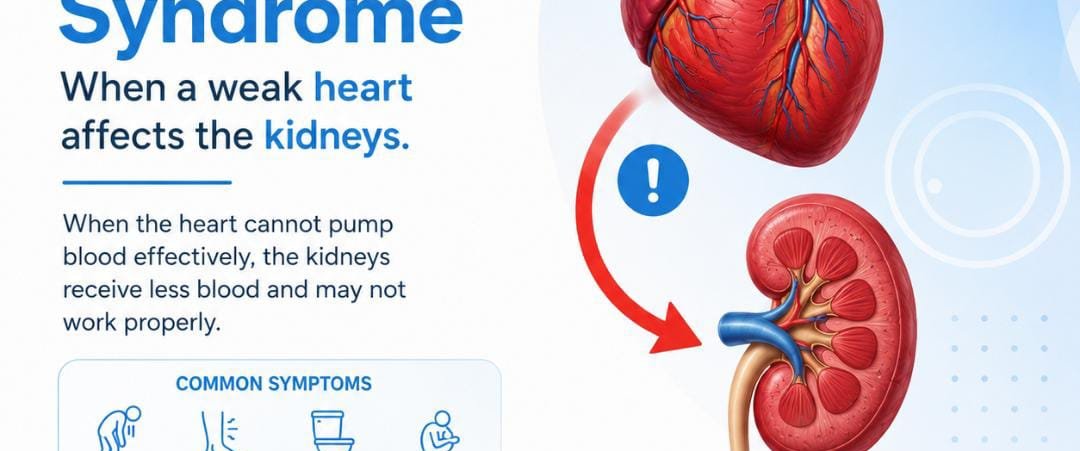
The heart and kidneys work together to keep the body healthy. The heart pumps blood to deliver oxygen and nutrients, while the kidneys filter waste products, regulate blood pressure and maintain the body's fluid balance. When one of these organs fails, it can negatively affect the other. This condition is known as cardiorenal syndrome (CRS)
What is Cardiorenal Syndrome?
Cardiorenal syndrome refers to a group of disorders in which dysfunction of the heart or kidneys causes dysfunction in the other organ. For example, heart failure may reduce blood flow to the kidneys, leading to kidney injury. Likewise, kidney disease can worsen heart function by causing fluid overload, hypertension, and electrolyte imbalances.
Types of Cardiorenal Syndrome
Cardiorenal syndrome is classified into five types:
* Type 1: Acute heart failure causes acute kidney injury.
* Type 2: Chronic heart failure leads to chronic kidney disease.
* Type 3: Acute kidney injury causes acute heart dysfunction.
* Type 4: Chronic kidney disease contributes to chronic heart disease.
* Type 5: A systemic condition, such as sepsis or diabetes, simultaneously affects both the heart and kidneys.
Risk Factors
Several conditions increase the risk of cardiorenal syndrome, including:
* Heart failure
* Chronic kidney disease
* High blood pressure
* Diabetes mellitus
* Coronary artery disease
* Older age
Signs and Symptoms
Symptoms depend on which organ is primarily affected but may include:
* Shortness of breath
* Swelling of the legs, ankles, or feet
* Reduced urine output
* Fatigue
* Rapid weight gain due to fluid retention
* High blood pressure
Diagnosis
Healthcare providers may use several tests to diagnose cardiorenal syndrome, including:
* Blood tests (serum creatinine, urea, electrolytes)
* Urinalysis
* Echocardiography to assess heart function
* Electrocardiogram (ECG)
* Kidney ultrasound when indicated
* Measurement of biomarkers such as BNP or NT-proBNP in patients with suspected heart failure
Management
Treatment aims to improve both heart and kidney function while addressing the underlying cause. Management may include:
* Optimizing treatment for heart failure
* Careful use of diuretics to remove excess fluid
* Controlling blood pressure and diabetes
* Limiting dietary salt when appropriate
* Using kidney-protective medications when indicated
* Regular monitoring of kidney function and electrolytes
* Dialysis in selected patients with severe kidney failure
Prevention
You can reduce your risk of cardiorenal syndrome by:
* Keeping your blood pressure under control.
* Managing diabetes effectively.
* Taking prescribed medications as directed.
* Following a heart-healthy and kidney-friendly lifestyle.
* Attending regular medical check-ups if you have heart or kidney disease.
Conclusion
Cardiorenal syndrome highlights the close relationship between the heart and kidneys. Disease affecting one organ can significantly impact the other, making early diagnosis and coordinated management essential. By controlling risk factors and seeking timely medical care, patients can reduce complications and improve their quality of life.