High blood pressure is one of the leading causes of chronic kidney disease worldwide. However, in some people, hypertension is not the primary problem it is the result of reduced blood flow to the kidneys. One condition responsible for this is renal artery stenosis (RAS), a narrowing of the arteries that supply blood to the kidneys.
Although renal artery stenosis is often overlooked, it is an important cause of secondary hypertension and progressive kidney disease. If left untreated, it can lead to uncontrolled high blood pressure, declining kidney function, heart failure, and an increased risk of cardiovascular events. Early recognition and appropriate treatment can help preserve kidney function and improve long-term health.
What is Renal Artery Stenosis?
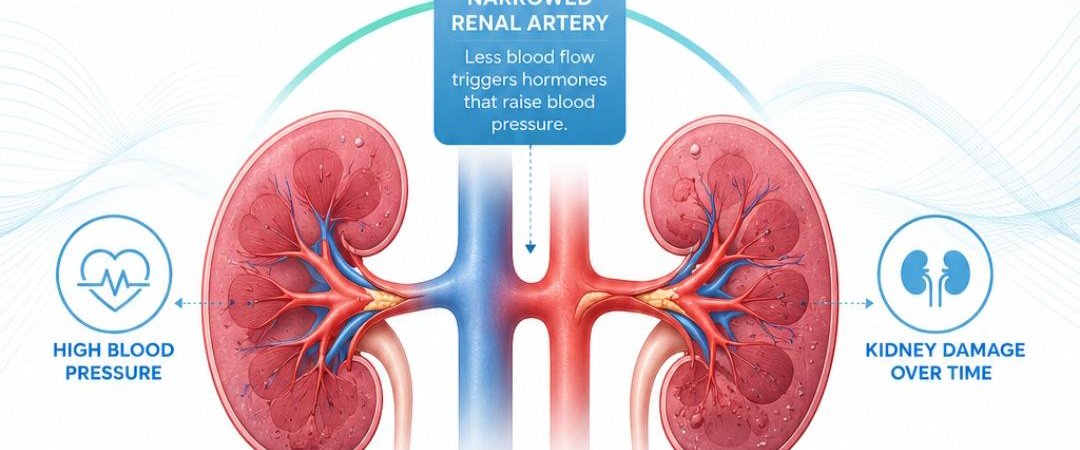
Renal artery stenosis is the narrowing of one or both renal arteries, reducing the amount of blood reaching the kidneys. The kidneys require a constant supply of oxygen-rich blood to filter waste, regulate fluid balance, and control blood pressure.
When blood flow decreases, the kidneys mistakenly interpret it as low blood pressure. In response, they activate the renin-angiotensin-aldosterone system (RAAS), releasing hormones that increase blood pressure by narrowing blood vessels and retaining sodium and water. While this response is meant to restore kidney perfusion, persistent activation leads to chronic hypertension and can gradually damage both the kidneys and the cardiovascular system.
Causes
The two most common causes of renal artery stenosis are:
Atherosclerosis
This is the leading cause, accounting for approximately 90% of cases. Fatty cholesterol plaques build up within the walls of the arteries, gradually narrowing them and reducing blood flow. It mainly affects older adults and is more common in people with diabetes, high cholesterol, smoking history, or established cardiovascular disease.
Fibromuscular Dysplasia (FMD)
Fibromuscular dysplasia is a non-atherosclerotic condition that causes abnormal growth within the artery wall. It primarily affects younger women and may involve several arteries throughout the body, including the renal arteries.
Signs and Symptoms
Many people with renal artery stenosis have no symptoms in the early stages. The condition is often suspected when high blood pressure becomes difficult to control or kidney function unexpectedly worsens.
Possible signs and symptoms include:
- High blood pressure that remains elevated despite multiple medications
- Sudden worsening of previously controlled hypertension
- Declining kidney function
- Swelling due to fluid retention
- Episodes of sudden shortness of breath caused by fluid accumulation in the lungs (flash pulmonary edema)
- An abdominal bruit heard during physical examination
Who Is at Risk?
Certain individuals are at greater risk of developing renal artery stenosis, including:
* Adults over 50 years of age
* People with diabetes
* Smokers
* Individuals with high cholesterol
* Patients with peripheral artery disease or coronary artery disease
* Young women with fibromuscular dysplasia
Diagnosis
A healthcare provider may suspect renal artery stenosis in patients with resistant hypertension or unexplained deterioration of kidney function.
Investigations may include:
* Blood tests to assess kidney function
* Urinalysis
* Doppler ultrasound of the renal arteries
* CT angiography (CTA)
* Magnetic resonance angiography (MRA)
* Renal angiography when intervention is being considered
These tests help determine the severity of arterial narrowing and guide treatment decisions.
Treatment
Treatment aims to control blood pressure, protect kidney function, and reduce the risk of cardiovascular complications.
Medical management may include:
* Blood pressure-lowering medications
* Cholesterol-lowering therapy
* Antiplatelet medications when indicated
* Smoking cessation
* Regular physical activity
* A heart-healthy diet
In selected patients with severe disease, recurrent flash pulmonary edema, or rapidly worsening kidney function, procedures such as renal artery angioplasty with or without stent placement may be recommended to restore blood flow.
Can Renal Artery Stenosis Be Prevented?
Although fibromuscular dysplasia cannot be prevented, the risk of atherosclerotic renal artery stenosis can be reduced by maintaining healthy blood pressure, controlling diabetes, lowering cholesterol, avoiding tobacco use, exercising regularly, eating a balanced diet, and attending routine medical check-ups.
Conclusion
Renal artery stenosis is an important but often underrecognized cause of secondary hypertension and chronic kidney disease. Because symptoms may be absent in the early stages, early diagnosis is essential, particularly in individuals with resistant hypertension or unexplained kidney dysfunction. Prompt treatment can improve blood pressure control, preserve kidney function, and reduce the risk of serious cardiovascular complications.
Healthy kidneys depend on healthy blood flow. If your blood pressure remains difficult to control or your kidney function is declining without an obvious cause, consult a healthcare professional for further evaluation.