Introduction
The kidneys play a vital role in maintaining overall health. They filter waste and extra fluid from the blood, regulate blood pressure, balance important minerals, and support many essential body functions.
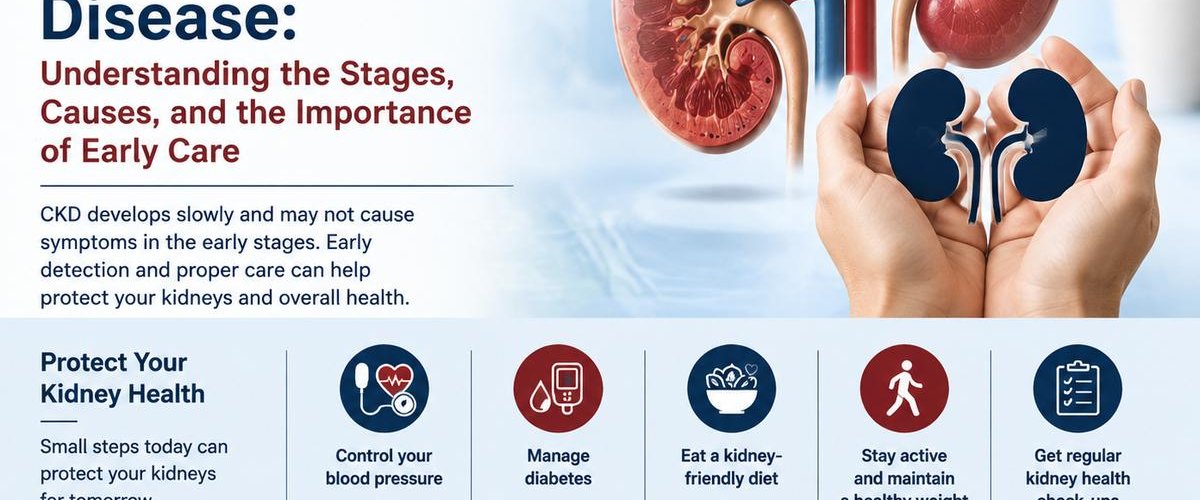
Chronic Kidney Disease (CKD) occurs when the kidneys become damaged and gradually lose their ability to function properly over time. Because kidney disease often develops slowly, many people may not notice symptoms during the early stages.
Early detection, regular monitoring, and appropriate treatment can help slow kidney disease progression and reduce the risk of complications.
What Is Chronic Kidney Disease?
Chronic Kidney Disease is a long-term condition where the kidneys are damaged or their ability to filter blood decreases for three months or longer.
Kidney function is commonly evaluated using:
Estimated Glomerular Filtration Rate (eGFR)
The eGFR is a blood test that estimates how well the kidneys are filtering waste from the blood. It helps healthcare providers understand the level of kidney function and monitor changes over time.
Urine Albumin-to-Creatinine Ratio (uACR)
The uACR is a urine test that checks for albumin (a type of protein) in the urine. Increased albumin levels may indicate kidney damage, even before major changes in kidney function occur.
Together, these tests help healthcare providers assess kidney health and determine the appropriate care plan.
Stages of Chronic Kidney Disease
CKD is divided into different stages based on kidney function.
Stage 1: Kidney Damage With Normal Function
At this stage, there may be signs of kidney damage, such as protein in the urine, but kidney filtration remains normal.
Stage 2: Mild Loss of Kidney Function
Kidney function begins to decline slightly, and monitoring becomes important to identify changes early.
Stage 3: Moderate Kidney Function Decline
This stage may involve noticeable changes in kidney function and requires closer monitoring and management.
Stage 4: Severe Kidney Function Decline
The kidneys have significantly reduced function, and preparation for advanced treatment options may be needed.
Stage 5: Kidney Failure
At this stage, the kidneys are no longer able to adequately perform their normal functions. Some patients may require dialysis or kidney transplantation.
Common Causes of Chronic Kidney Disease
Several conditions can contribute to kidney damage.
Diabetes
Diabetes is one of the leading causes of kidney disease. High blood sugar levels can damage the kidney’s filtering structures over time.
High Blood Pressure
Uncontrolled hypertension can damage the blood vessels inside the kidneys, reducing their ability to filter waste effectively.
Other Kidney Conditions
CKD may also result from:
- Glomerulonephritis
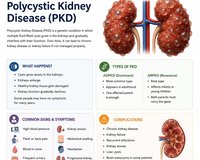
- Polycystic kidney disease
- Lupus nephritis
- Recurrent kidney infections
- Kidney-related genetic conditions
Heart and Blood Vessel Disease
Because the heart and kidneys work closely together, cardiovascular conditions can increase the risk of kidney problems.
Signs and Symptoms of Chronic Kidney Disease
Early CKD may not cause noticeable symptoms. As kidney function declines, symptoms may include:
- Swelling of the feet, ankles, or legs
- Fatigue and weakness
- Changes in urination
- Foamy urine
- Shortness of breath
- Nausea or reduced appetite
- Difficulty concentrating
- Persistent itching
Many of these symptoms can occur with other conditions, which is why kidney testing is important for people at risk.
Who Is at Higher Risk?
Regular kidney health evaluations are especially important for people with:
- Diabetes
- High blood pressure
- Heart disease
- Family history of kidney disease
- Previous kidney problems
- Older age
- Long-term use of certain medications
Early evaluation allows healthcare providers to identify kidney changes and begin appropriate management.
How Is Chronic Kidney Disease Managed?
Although CKD cannot always be reversed, proper treatment can help slow progression and protect remaining kidney function.
Management may include:
Blood Pressure Control
Keeping blood pressure within the recommended range helps reduce stress on the kidneys.
Diabetes Management
Maintaining healthy blood sugar levels can help prevent further kidney damage.
Medication Management
Certain medications may help protect kidney function, while others may need adjustment depending on kidney health.
Lifestyle Changes
Healthy habits can support kidney health, including:
- Maintaining a balanced diet
- Reducing excessive sodium intake
- Staying physically active when appropriate
- Avoiding tobacco
- Following medical advice regarding fluid intake
Regular Monitoring
Routine blood and urine tests allow healthcare providers to track kidney function and adjust treatment when needed.
When Should You See a Nephrologist?
A kidney specialist may be recommended if you have:
- Declining kidney function
- Persistent protein in your urine
- Difficult-to-control high blood pressure
- Advanced chronic kidney disease
- Complex kidney conditions
- Need for dialysis planning or transplant evaluation
A nephrologist can provide specialized evaluation and develop a personalized treatment approach.
Comprehensive Kidney Care at Blanchard Nephrology
At Blanchard Nephrology, our goal is to help patients improve and preserve kidney function through early detection, personalized treatment plans, and ongoing guidance.
Our team provides comprehensive care for kidney disease and hypertension, including:
- Chronic Kidney Disease management
- Hypertension evaluation and treatment
- Dialysis care
- Pre and post-transplant care
- Electrolyte and nutrition counseling
- Management of complex kidney conditions
We believe kidney care extends beyond treatment — it supports patients, families, and communities.
Conclusion
Chronic Kidney Disease is a serious condition, but early awareness and proper management can make a meaningful difference.
Understanding your kidney health, monitoring important numbers, and receiving timely specialist care can help slow disease progression and protect your overall wellbeing.
If you have kidney concerns, high blood pressure, or risk factors for kidney disease, speak with a healthcare professional for evaluation.
Blanchard Nephrology
655 Fox Run Rd, Suite C
Findlay, OH 45840
📞 567-525-3163
Compassionate kidney care focused on protecting your health for the future.