Today, September 29, marks World Heart Day, a global day dedicated to raising awareness about cardiovascular health. The 2026 World Heart Day campaign, “Don’t Miss a Beat,” highlights the importance of recognizing cardiovascular risks and taking action to protect heart health. World Heart Federation
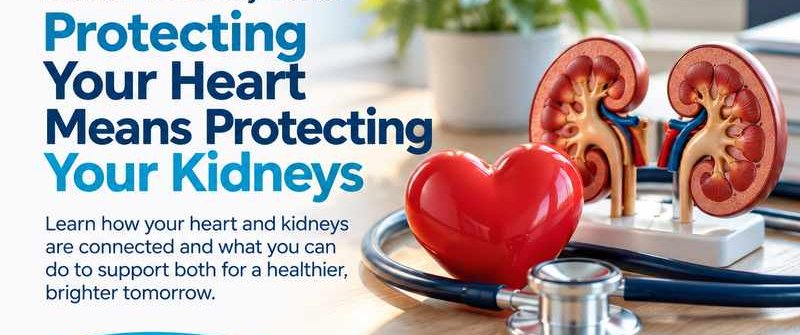
For people living with kidney disease, this message is especially important. Heart health and kidney health are closely connected and caring for one can have an important impact on the other.
The Heart-Kidney Connection
Your heart pumps blood throughout your body, while your kidneys filter that blood and help regulate fluid, electrolytes and blood pressure. When one system is affected, the other can also be affected.
People with chronic kidney disease (CKD) have a higher risk of cardiovascular disease. At the same time, conditions that affect the heart and blood vessels can contribute to kidney problems. Diabetes and high blood pressure are important risk factors shared by both conditions. NIDDK
This connection means kidney care should look beyond kidney function alone. Blood pressure, blood sugar, cholesterol, weight, physical activity and other cardiovascular risk factors all matter.
Why High Blood Pressure Matters
High blood pressure is one of the most important connections between heart and kidney health.
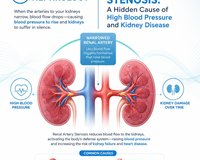
When blood pressure remains elevated, it can damage blood vessels throughout the body, including the small blood vessels inside the kidneys. Kidney disease can then make blood pressure more difficult to control, creating a cycle in which each condition can worsen the other. NIDDK
Regular blood pressure monitoring and appropriate treatment are therefore important parts of protecting both organs.
Know Your Risk Factors
Several factors can increase the risk of both cardiovascular and kidney disease, including:
- High blood pressure
- Diabetes
- High cholesterol
- Smoking
- Excess weight
- Physical inactivity
- Existing kidney or heart disease
- A family history of kidney disease or heart disease
Some of these risks can be managed through lifestyle changes and medical care. NIDDK
Small Steps Can Protect Both
Taking care of your heart does not require focusing on one change alone. A broader approach to health can support both cardiovascular and kidney health.
Consider:
Monitor your blood pressure.
Know your numbers and discuss your blood pressure goals with your healthcare provider.
Manage diabetes.
Keeping blood glucose within your recommended range can help reduce damage to the heart and kidneys.
Choose heart- and kidney-conscious foods.
A balanced eating pattern with appropriate sodium and other nutrients can support overall health. People with CKD may have specific dietary needs, so recommendations should be individualized.
Stay physically active.
Regular physical activity can support cardiovascular health, weight management and overall well-being.
Avoid smoking.
Smoking can damage blood vessels and increase cardiovascular risk.
Keep your appointments.
Kidney disease can develop without obvious symptoms in its early stages. Testing and regular medical follow-up can help identify problems earlier. NIDDK
Don't Ignore Warning Signs
Heart problems can sometimes present suddenly. Chest pressure or discomfort, discomfort in the arms, back, neck, jaw or stomach, shortness of breath, nausea, cold sweating or lightheadedness can be warning signs of a heart attack.
If these symptoms occur, call 911 immediately rather than waiting for them to pass. www.heart.org
Comprehensive Kidney Care in Findlay, Ohio
At Blanchard Nephrology, our approach to kidney care recognizes that kidney health is connected to overall health. Managing conditions such as CKD and hypertension involves understanding each patient's health needs and providing appropriate monitoring and ongoing care.
If you have kidney disease, high blood pressure, diabetes or other risk factors, speak with your healthcare provider about how your heart and kidneys can be monitored together.
Protect Your Heart. Protect Your Kidneys.
This World Heart Day, take a moment to think beyond one organ. Your heart and kidneys work together every day and caring for both is an important part of long-term health.
Blanchard Nephrology
655 Fox Run Rd, Suite C
Findlay, OH 45840
Phone: 567-525-3163
This article is for general educational purposes and does not replace individualized medical advice.
Editorial basis: World Heart Federation, National Institute of Diabetes and Digestive and Kidney Diseases (NIDDK), and American Heart Association.